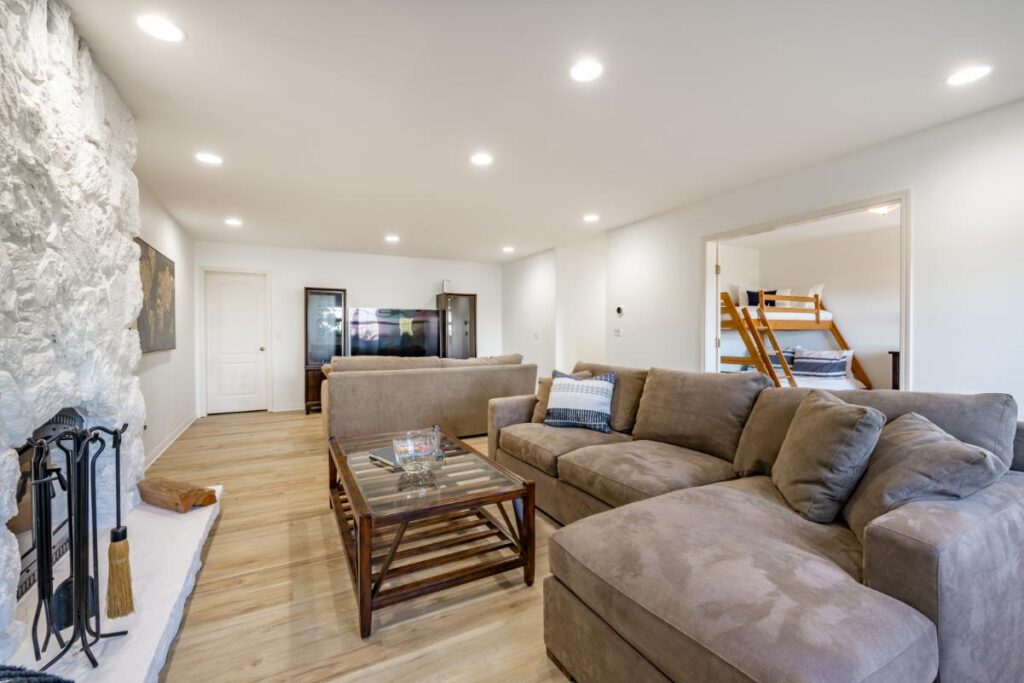
Renovating your kitchen in Wilmington, Delaware, is about more than just aesthetics. It’s about creating a space that suits your lifestyle, adds value to your home, and simplifies your daily life. Whether it’s a cramped kitchen in need of a better layout or a spacious but impersonal room, a successful renovation can radically transform how you use your home.

Types of Kitchen Layouts and How to Style Different Spaces
Before diving into materials and finishes, understanding your kitchen’s layout helps determine what’s possible. Each configuration has strengths worth maximizing.
It works well in narrower spaces. Consider vertical cabinets reaching the ceiling and light-colored finishes to prevent a tunnel effect. Open shelving on one side can add breathing room without sacrificing function.
It offers flexibility for both small and medium spaces. This setup naturally separates cooking from dining areas, making it ideal if you want a small breakfast nook.
It provides maximum counter space, wrapping three walls with cabinetry and work surfaces. These layouts excel for serious home cooks but require careful planning to avoid a closed-in feeling.
It blends cooking spaces with living areas. Matching your kitchen finishes with adjacent room elements creates visual continuity that makes the whole area feel larger.
Add a connected island to an L or U-shape, creating a natural boundary without walls. They’re perfect for homes where full islands won’t fit but you still want that casual dining counter.
Full-Service Kitchen Remodeling Services in Wilmington DE
A complete kitchen improvement in Wilmington DE involves multiple trades and careful coordination. Here’s what goes into transforming your space from start to finish and how our home remodeling services can help.
Before anything new goes in, old materials come out. This starts with an initial consultation to assess what’s staying and what’s going. Proper demolition means protecting your home’s structure while removing cabinets, countertops, and fixtures.
You’ll get 2D and 3D drawings that show exactly how your new kitchen will look and function. Floor plans detail where appliances, cabinets, and work zones will sit. Tailored design means your specific needs drive every decision, whether that’s more prep space, better storage, or accommodating multiple cooks.
Cabinets define your kitchen’s personality and functionality. Custom cabinet fitting ensures every inch gets used efficiently, even in awkward corners or around windows. Cabinet layout design balances storage needs with visual appeal. Hardware selection might seem minor, but the right pulls and knobs tie everything together while making cabinets easier to use. Wall-mounting with safety anchors keeps upper cabinets secure, and soft-close drawer and door mechanisms add a touch of luxury that also protects your investment from constant slamming.
Countertops take daily abuse, so material choice matters. Granite offers durability and natural beauty. Quartz provides low maintenance and consistent patterns. Butcher block adds warmth but needs more care. Whether you’re replacing worn surfaces or upgrading to something more functional, proper installation ensures longevity.
Kitchen floors endure spills, dropped utensils, and constant foot traffic. Material options include tile for durability and easy cleaning, luxury vinyl for comfort and water resistance, or hardwood for timeless appeal. Installation involves proper substrate preparation so floors don’t crack or shift. Repair and replacement services address damaged sections without redoing the entire floor when possible.
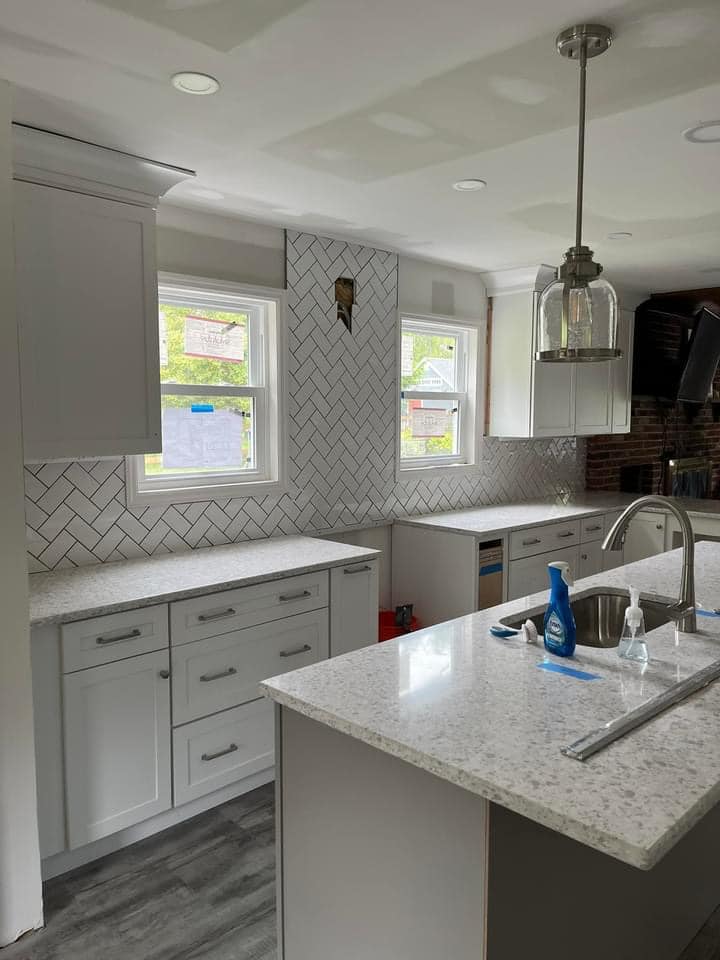
Backsplashes protect walls from cooking splatters while adding visual interest. Material selection ranges from classic subway tile to glass, stone, or even metal. Tile layout and cutting require precision, especially around outlets and windows. Grouting and sealing prevent moisture infiltration. Edge trimming and finishing give clean lines where the backsplash meets counters and cabinets.
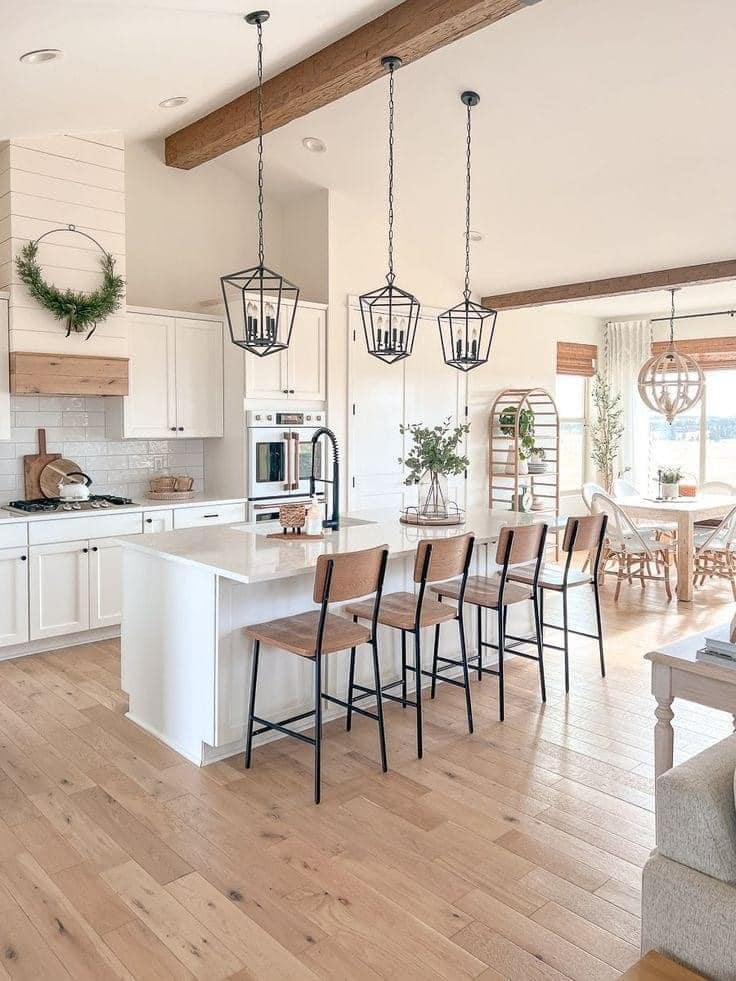
Good lighting transforms kitchens. Under-cabinet strips illuminate prep areas. Pendant lights over islands add ambiance. Recessed ceiling fixtures provide overall brightness. Plumbing relocations let you move sinks or add pot fillers. Electrical updates support modern appliances and create convenient outlet placement. Installation, repair, and replacement of these systems require licensed professionals who understand code requirements.
New appliances deserve proper installation. Microwaves need secure mounting and electrical connections. Dishwashers require both plumbing and electrical hookups, plus leveling for proper drainage. Ovens and ranges need gas or electrical work, plus proper venting. Refrigerators need sufficient clearance and sometimes dedicated circuits. Toasters and smaller items need accessible outlets. Chimney installation ensures cooking fumes exit your home rather than setting off smoke detectors.
Fresh paint completes the transformation. Whether you’re painting walls, ceilings, or adding an accent color, this step brings everything together. Finishing touches include installing switch plates, adding trim where needed, and that final cleaning that makes your new kitchen ready to use.


Our Step-by-Step Kitchen Remodeling Process
A kitchen remodeler from B&B Contracting will come to your home in Wilmington, DE, and sit down with you to talk about what you want out of your new kitchen. They’ll want to know how you use your kitchen, what’s driving you crazy about the way it is now, and what features are absolute must-haves for you.
With all the measurements in hand, it’s time to start designing your new kitchen. You’ll get to see what different layouts might look like, pick out the style, material and finishes that fit your personality and budget, and choose all the fixtures and hardware that’ll make your kitchen shine.
Getting a transparent estimate from the get-go means you know exactly where your money’s going, and you can make informed decisions about where to splurge and where to save.
If your project involves any major structural changes, plumbing relocations, or electrical work, you might need to get a building permit. Don’t worry, this is just a normal part of the process – it’s all about making sure your home is safe and up to code.
Once all the permits are in place, it’s time to get to work. The crew will start by clearing out the space, and then they’ll put up protection to keep dust and debris contained to the work area.
Bringing the Elements Together: The cabinets go in first, carefully leveled and secured. Then the countertops get installed, cut to exact spec and properly supported. Once the heavy cabinets are in place, it’s time to do the flooring. And finally, the tile work adds a beautiful backsplash that ties everything together.
Putting the Finishing Touches On: Next up, the lighting fixtures get installed and tested. Then the paint goes on the walls and ceiling. And, of course, the hardware gets put on the cabinet doors and drawers. Finally, all the electrical and plumbing connections get checked to make sure everything is working like it should.
The Final Walk-Through: Before calling it a wrap, you’ll do a thorough walk-through with the crew. This is your chance to make sure everything is just right, that all the appliances are working as they should, and that you know how to take care of your new kitchen.
Why You Should Choose B&B Contracting For Kitchen Renovation
Having worked in this area for years means that we have local building codes down pat, know the reliable suppliers to turn to, and have built relationships with inspectors that help us avoid delays and ensure everything meets the requirements.
At B&B Contracting, we know that renovation projects can be a source of stress, so we communicate regularly. You’ll get daily or weekly updates on progress, upcoming phases, and any decisions that need your input. No surprises, no wondering what’s happening in your home.
Kitchen remodels create a mess. We put up dust barriers to protect the rest of your home and keep the work area clean and organized. We even sweep up the space at the end of each day.
Our project timelines are based on realistic estimates, not wild guesses. And if things do get delayed due to unexpected issues like material backorders or rain, we’ll be the first to let you know, with a revised schedule to boot.
At B&B Contracting, we’re committed to quality work that meets our high standards. That’s why we offer warranties on both materials and labor. If something goes wrong, we’ll be there to fix it without any hassle or additional charge. That’s the mark of a professional contractor.

FAQs
Older kitchens often require additional planning, but they remodel very well with the right approach. Homes throughout Wilmington and New Castle County may have outdated wiring, plumbing, or closed-off layouts. Kitchen remodeling is an opportunity to modernize systems, improve flow, and keep the character of the home intact.
Homeowners often choose custom cabinetry, stone or quartz countertops, center islands, updated lighting, tile backsplashes, and better storage solutions. These upgrades improve both function and style while holding up well to daily use.
Yes. Kitchen remodeling is one of the most valuable upgrades for homeowners in the local market. Updated kitchens with better layouts, modern finishes, and improved storage are highly appealing to buyers and add long-term value.
Many kitchens in Wilmington and surrounding New Castle County neighborhoods were built when closed-off layouts, limited counter space, and minimal storage were standard. Today’s families want more open space, better lighting, and kitchens that work for cooking, gathering, and everyday use. Remodeling helps bring older kitchens in line with how homes are used now.
Yes, permits are often required when a kitchen remodel includes electrical upgrades, plumbing changes, or wall modifications. We assist with handling permits and make sure all work meets local building codes and inspection standards used throughout Wilmington and New Castle County.
Most homeowners in the Wilmington area stay in their homes during kitchen remodeling. While the kitchen may be temporarily unavailable, work areas are protected and the project is organized to limit disruption. Planning ahead helps make this phase manageable.